Roofing Contractor in Gilbert, AZ: 8 Top Roofing Problems in Phoenix and How to Spot Heat, Monsoon, and Ventilation Damage
Need a professional roofer Gilbert AZ?
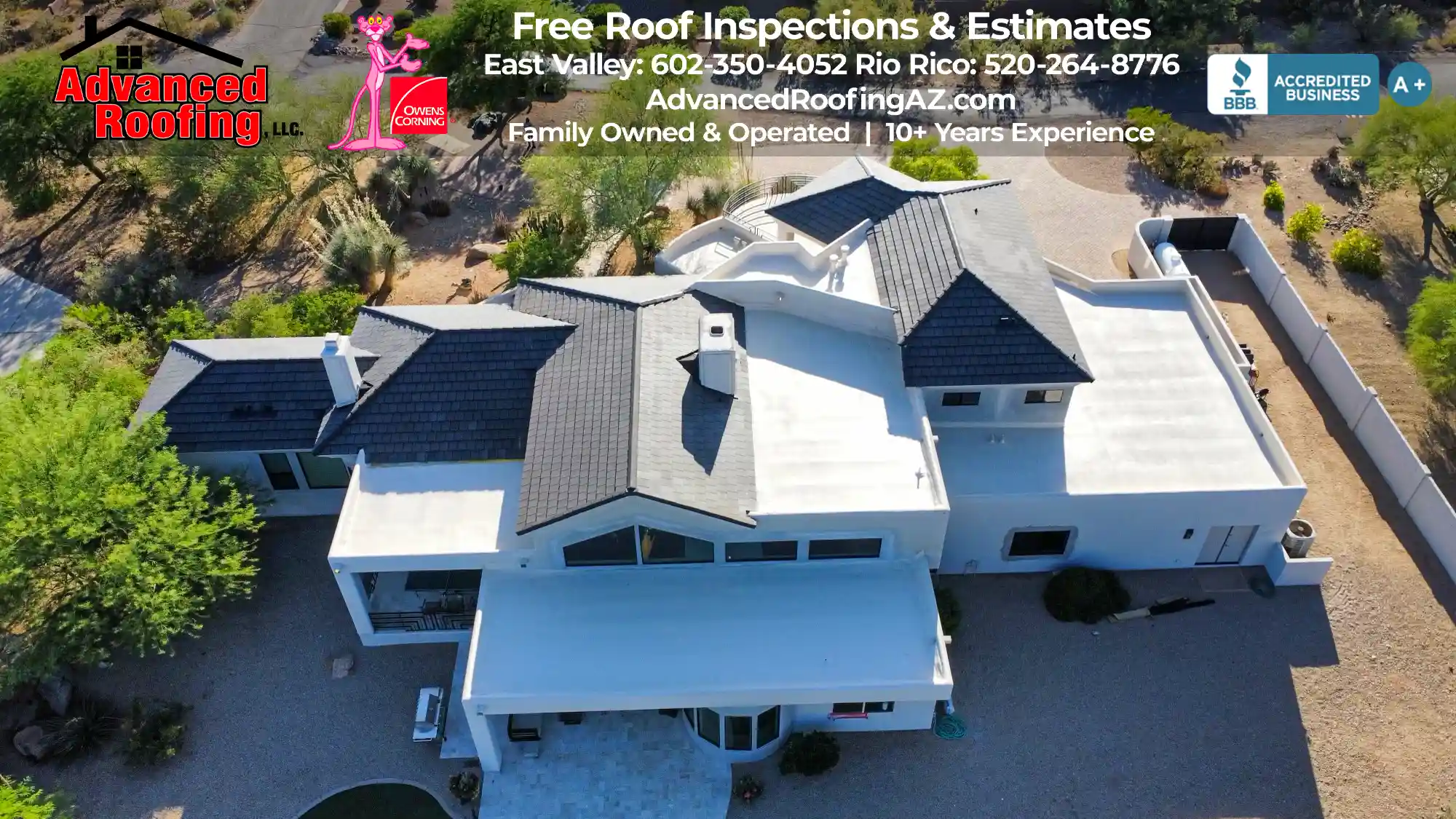
Living under the sun-drenched skies of the greater Phoenix
area brings with it some unique roofing hurdles. The punishing heat, relentless
UV rays, and dramatic monsoon storms combine to challenge your roof’s
durability year-round. Ignoring these environmental stressors can lead to
expensive damage—not just to your roof, but your home’s interior as well,
causing issues like wood rot, crumbling drywall, and mold growth. Luckily,
knowing the warning signs puts you ahead of the game, helping you safeguard your
house and maintain energy efficiency.
Let’s walk through the seven most prevalent roofing issues
residents in Phoenix and surrounding communities should keep an eye on.
1. Heat and UV Rays: The Silent Roof Assassins
In Phoenix’s scorching climate, the sun is no mere
backdrop—it’s the main villain quietly wearing down your roof. The combination
of relentless heat waves and potent UV exposure doesn’t just fade your
shingles; it gradually weakens their very structure, leading to cracks,
brittleness, and overall erosion. If your roof could sweat, it certainly would,
under this unyielding assault. And unfortunately, the damage piles up faster
than you might anticipate.
Watch Out For:
- Shingles or tiles that crack, curl, or warp—a sign the
heat has compromised the underlying layers.
- Granule loss on asphalt shingles, which usually gather in
gutters or around the base of your home, signaling surface deterioration.
- Blisters on foam, flat, or asphalt roofs caused by heat
bubbling the protective layers.
- Clearly faded patches, especially on sun-soaked sections
of the roof, which indicate UV damage and accelerated aging.
- Cracks and discoloration in foam roofing, often due to
dust build-up, particle accumulation, and standing water—a warning you
shouldn’t overlook.
2. Battling the Monsoons: Wind, Hail, and Storm Damage
Monsoon season is Phoenix’s serious test for roofs, throwing
strong winds, heavy rains, and hail into the mix. These intense weather events
can strip shingles, break flashing, and leave your roof vulnerable if not
checked promptly.
Signs to Inspect:
- Water stains or leaks inside your home after a
storm—particularly on ceilings or walls—suggest your roof may have been
compromised.
- Missing or lifted shingles or tiles, often accompanied by
debris scattered on your roof or yard, point towards wind or hail impact.
- Flashing—that metal trim sealing chimneys, vents, and
skylights—can rust, warp, or pull away, becoming a frequent source of leaks.
- Gutters clogged with leftover debris from storms can cause
water to spill over, damaging the underlying roof deck and materials.
3. The Overlooked Danger of Poor Attic Ventilation
If your attic feels more like a tropical sauna, with
temperatures soaring beyond 140 degrees, it’s a sign ventilation isn’t doing
its job. Poor airflow traps heat and moisture, hastening roof damage, inflating
cooling bills, and inviting mold and wood rot.
Here’s what to watch for:
- Damp or compressed insulation that’s lost its fluff and
efficiency.
- Peeling paint or warped wood on walls and ceilings, often
a symptom of escaping moisture.
- Rising energy costs paired with an air conditioning system
that runs nonstop but still fails to cool your home efficiently.
- Rusting fasteners and cracked shingles, a result of
constant heat and moisture assault.
- Musty smells or visible mold growth inside your attic or
living areas, indicating condensation problems.
4. Flat Roofs: The Phoenix Challenge of Standing Water
Flat and low-slope roofs are popular here, but they face
their own unique obstacles. Without the natural drainage of pitched roofs,
water tends to pool, causing problems if you’re not careful.
Watch for these red flags:
- Persistent ponding water on the roof’s surface accelerates
material decay and heightens leak risks.
- Water stains on roof cross beams—small spots that might
seem insignificant but often signal moisture infiltration and potential mold
growth.
- Cracks and blisters on protective membranes caused by
relentless UV exposure and temperature shifts, leading to a dry, fractured
appearance.
5. The Aging Roof Dilemma
If your roof has seen over a decade of Arizona suns, it’s
wise to consider its lifespan carefully. Different roofing materials have
varying shelf lives:
- Asphalt shingles: typically 15 to 30 years.
- Clay or concrete tiles: a robust 50 to 100 years.
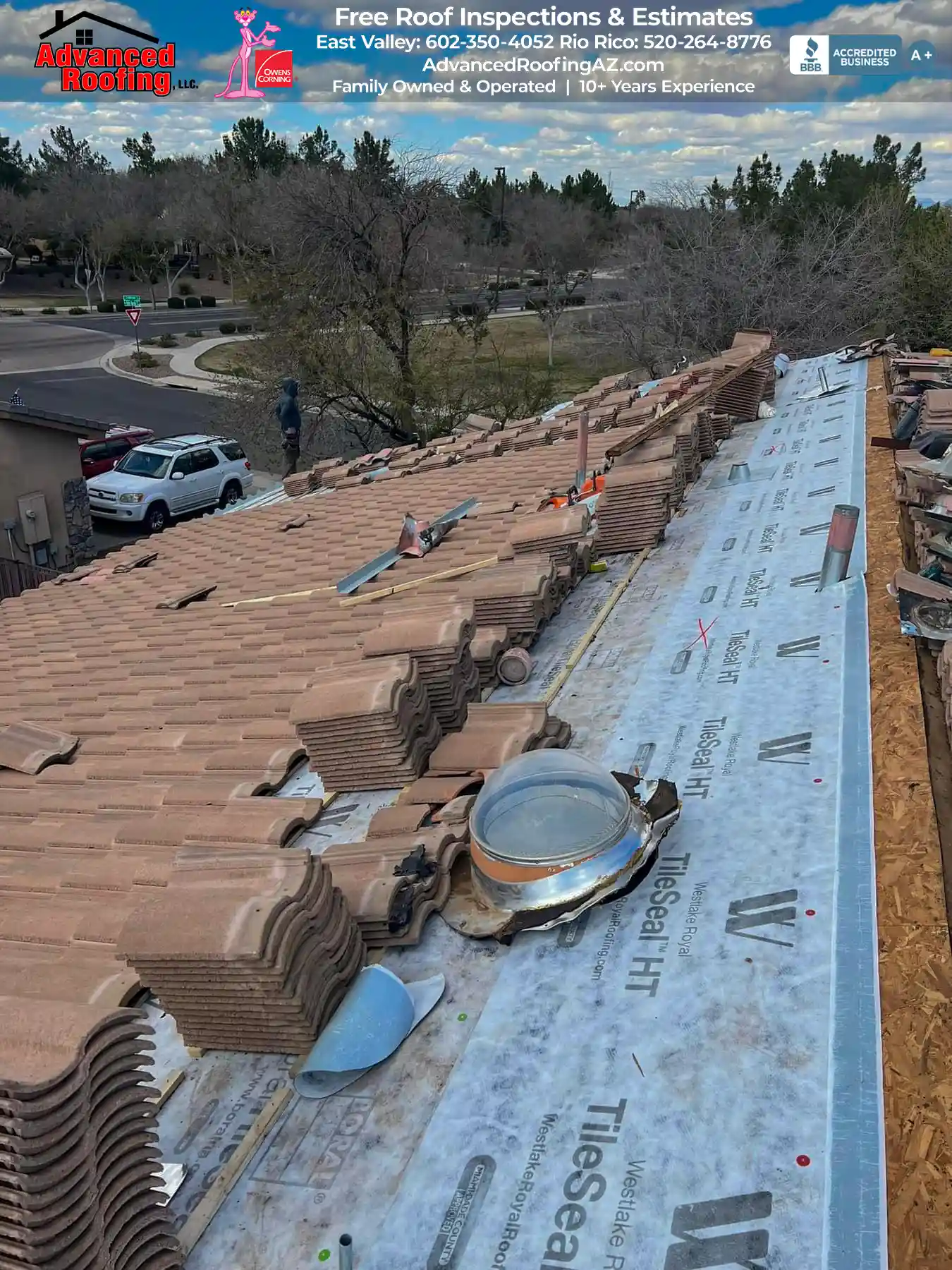
- Felt underlayment (under tile roofs): around 10 to 15
years.
- Metal roofs: a strong 40 to 70 years.
- Flat or foam roofs: need recoating every 5 to 7 years to
maintain effectiveness.
6. When Birds Become Unwelcome Tenants
In Gilbert and beyond, feathered squatters like pigeons
aren’t just noisy—they can wreak havoc on your roof. Their acidic droppings eat
away at tiles, shingles, and metals, while nests under solar panels or in
gutters block drainage and raise fire hazards. Adding insult to injury, these
birds may carry mites and parasites that could invade your home.
Look out for:
- Acidic droppings corroding roofing materials.
- Nests lodged in vulnerable spots like AC units, beneath
tiles, or roof decks.
- Signs of pests or parasites traveling with your rooftop
visitors.
7. Shoddy Installation and Subpar Materials: A Recipe for
Disaster
The quality of installation and materials plays a pivotal
role in your roof’s lifespan. Skimping on either spells doom—expect leaks,
premature damage, and unhappy homeowners.
Warning signs include:
- Leaks or failures cropping up shortly after installation,
hinting at rushed or careless workmanship.
- Roof deck lifting, a clear indicator of improper nailing,
which undermines the foundation for shingles and underlayment.
- Faulty ventilation or missing flashing, both essential in
controlling moisture, temperature, and keeping water out.
- And don’t forget your roof warranty—cutting corners can
easily void it, leaving you on the hook for repairs.
8. Think Twice Before Climbing That Ladder
DIY roof fixes might sound tempting, especially when you
spot loose shingles on your Gilbert home. But before you channel your inner
handyman, remember that roofs damaged by heat or storms can be precarious and
unsafe to walk on. Professionals come equipped not only with expertise but with
the right safety gear and know-how to conduct thorough inspections—and keep you
out of the ER.
Why Choose a Pro Roof Inspection?
Expert roofers from firms like Advanced Roofing LLC in
Gilbert, Mesa, and Rio Rico bring more than ladders to the table. They uncover
hidden damage invisible from street level, document issues for insuranceclaims, and apply local knowledge about Arizona’s climate and building
regulations to ensure repairs are built to last. Plus, working with certified
professionals protects your warranty and your wallet.
When to Call in the Experts
Don’t let a minor issue snowball into a major headache.
After any significant monsoon or if you spot any of the warning signs outlined
here, scheduling a comprehensive roof inspection with a trusted Arizona
contractor like Advanced Roofing LLC is a smart move. Early detection means
peace of mind, saves you money, and keeps your home comfortable and
energy-efficient.
Reach out today for a free consultation and give your roof
the care it deserves before the next big storm rolls in.
Advanced Roofing LLC
Gilbert / East Valley: 602-350-4052
Rio Rico: 520-264-8776Gilbert / East Valley: 137 E Elliot RD Unit 2262 Gilbert AZ 85234
Rio Rico: 1163 W Frontage RD Unit 4576 Rio Rico AZ 85648
Links: https://www.advancedroofingaz.com/roofer-near-me/gilbert-arizona/
https://www.advancedroofingaz.com/
FAQs
What are the main weather challenges that affect roofs in
the greater Phoenix area?
The extreme heat, strong UV rays, and heavy monsoon storms
place significant stress on roofs throughout the year in the greater Phoenix
area.
How does intense heat and UV exposure damage roofs?
Prolonged heat and UV rays weaken roofing materials by
causing shingles and tiles to crack, curl, fade, and become brittle, leading to
overall degradation.
What signs indicate roof damage after monsoon storms?
Water stains or leaks inside the home, missing or lifted
shingles or tiles, damaged flashing, and clogged gutters are key indicators of
storm-related roof damage.
Why is proper attic ventilation important for roofing
health?
Poor attic ventilation traps heat and moisture, accelerating
roof damage, raising cooling costs, and causing mold or wood rot.
What problems are specific to flat roofs in Phoenix?
Flat roofs are prone to standing water or ponding, which
accelerates material decay and increases leak risks; cracks, blisters, and
water stains on support beams are also common issues.
How long should different types of roofing materials
typically last?
Asphalt shingles last 15 to 30 years; clay or concrete tiles
50 to 100 years; felt underlayment 10 to 15 years; metal roofs 40 to 70 years;
and flat or foam roofs require recoating every 5 to 7 years.
How can birds and pests damage a roof?
Acidic bird droppings corrode roofing materials, nests can
block drainage or create fire hazards, and birds may carry mites and parasites
into the home.
What are warning signs of poor roof installation?
Leaks soon after installation, lifting roof decks, faulty
ventilation, missing flashing, and voided warranties indicate possible
installation problems.
Is it safe to perform DIY roof repairs after storm
damage?
No; storm-damaged roofs can be unstable. Professional
inspections and repairs are recommended for safety and thoroughness.
When should homeowners schedule a professional roof
inspection?
After any significant monsoon storm or if they notice any
warning signs such as leaks, missing shingles, or water stains, a professional
inspection is advised to prevent costly damage.


Comments
Post a Comment